top of page
Keynotes · Consulting · Advisory | ADHD, Ability, Leadership & Organizational Dynamics
The Variance
On ADHD, Ability, and the World We Move Through
Search
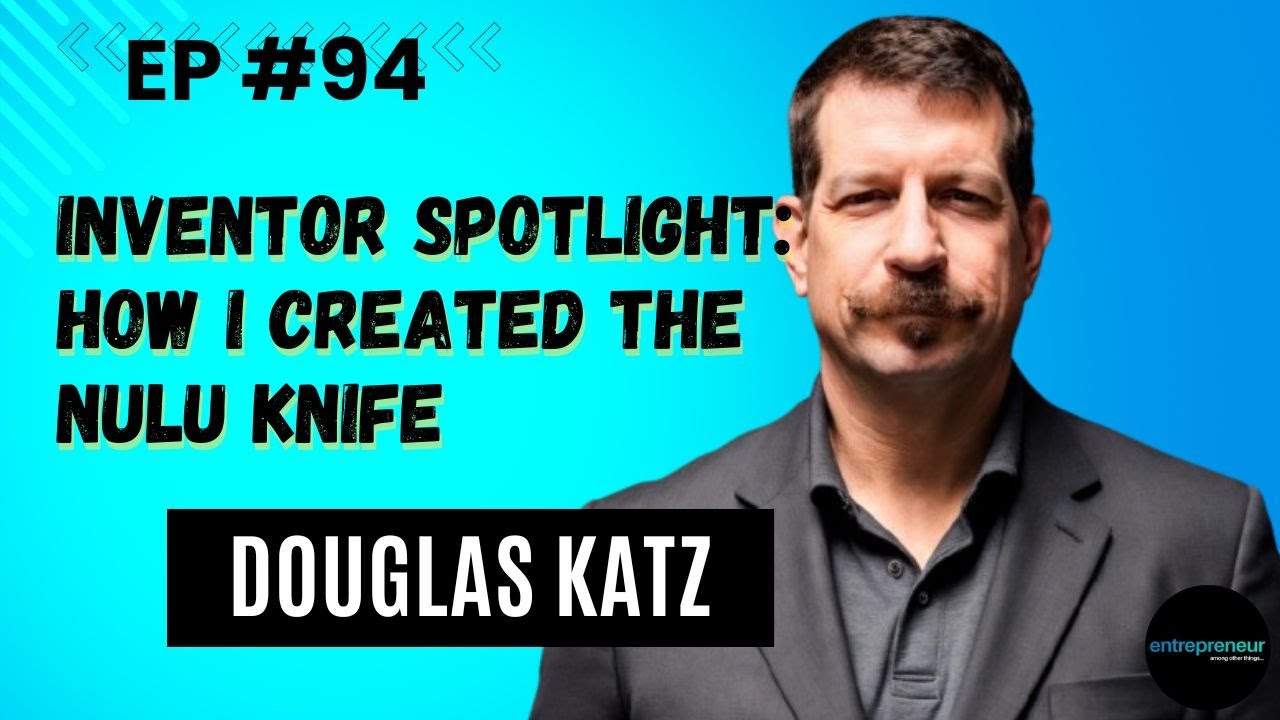
My Discussion on Entreprenuer Among Other Things with Alexander V. Johnson
Veteran Founder on Servant Leadership, the PTAB Problem, and Building NULU for the 150 Million-Person Market I sat down for a long conversation recently on Entrepreneur Among Other Things with Alexander V. Johnson about NULU, about West Point and the artillery, about leaving the mortgage industry after 22 years, about why the patent system is quietly strangling independent inventors, and about why the chef's knife in your drawer has been wrong for 200 years. It ran about eigh
dougkatz8
Jul 149 min read

From West Point to NULU: Rethinking Disability, Innovation, and the Ability Curve
My Conversation with the Vet SOS Podcast I sat down with the Vet SOS Podcast for a conversation that started with "who is Doug?" and ended somewhere much bigger — the ability curve, ADHD as a superpower, why corporate America broke me, and why I now believe adaptive design is one of the most under-appreciated leadership disciplines of our time. It ran a little over an hour, and anyone who knows me knows I can talk. If you're mostly interested in the highlights, use the articl
dougkatz8
Jul 1412 min read

My Discussion on the Ability Curve, Adaptive vs. Inclusive Design, and Why Chefs Are the Hardest Sell for a Better Knife
I sat down for another long conversation with Peter Marcus Bach on The Grand Challengers Podcast recently — this one going deeper into the philosophy behind NULU than the product itself. We covered adaptive design as a discipline, why "inclusive design" and "universal design" are really just windows into the same house, why the professional chef is often the hardest person in the room to convince, and the AI-driven approach I'm building to close what I've been calling the abi
dougkatz8
Jul 107 min read

My Discussion on Force Transfer Geometry, the 150 Million-Person Adaptive Market, and Why the Chef's Knife Has Been Wrong for 200 Years
I sat down for a long conversation recently on Unconventional Money Moves with Joshua Krafchick about NULU, about leaving 25 years in the mortgage industry, about ADHD and the military and Commander's Intent, and about why the knife in your drawer has been quietly wrong for 200 years. It ran about an hour. There's a lot in there — some of it about the product, some of it about how I got here, some of it about the 150 million people this company is actually being built for. Ra
dougkatz8
Jul 97 min read


Why Your Kitchen Knife Is Working Against You (And Why That's Not Your Fault)
I want to say something before I get into the science. I’ve watched people blame themselves for struggling in the kitchen. Good cooks. Experienced cooks. Their hands hurt, they’re slower than they used to be, and they assume that’s just what happens — you get older, things get harder, you adapt. They work around the tool instead of asking whether the tool is the problem. It is. The tool is the problem. Why Standard Kitchen Knives Cause Wrist Pain and Joint Strain Here’s what’
dougkatz8
Jun 265 min read


When Your Hands Hurt, Cooking Shouldn’t: How NULU Knives Help People With Arthritis Get Back in the Kitchen
Why NULU Wins for Arthritic Hands — At a Glance If you’re skimming, here’s the short version: Designed for a relaxed grip — no painful tight fist required- Keeps your wrist straight — follows clinical joint protection guidelines The knife does the work — less pressure, less pain, less fatigue Built on the Ability Curve — works for arthritic hands AND everyone else Backed by clinical science — not just marketing claims Keep reading for the full story, the clinical research beh
dougkatz8
Jun 267 min read
bottom of page