Keynotes · Consulting · Advisory | ADHD, Ability, Leadership & Organizational Dynamics


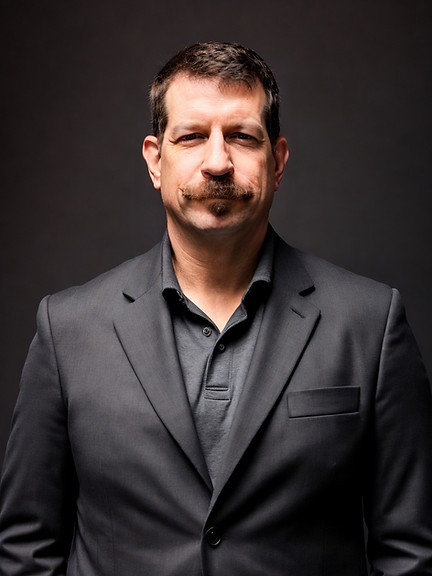


Douglas M. Katz
-
BS - West Point ,1993
-
MBA - Loyola University of Chicago, 2001
-
Graduate of Bunker Labs/Insitute for Veterans and Military Families
-
Graduate of Founder's Institute
-
Member of American Legion
-
Member of Veterans of Foreign Wars
-
West Point Society of Chicago
-
Member
-
Past President
-
-
The Veterans Network Committee of Northern Illinois
-
Member
-
Vice-President
-
-
Cary/Grove Chamber of Commerce
-
Member
-
Past Board Member
-
-
Nidan - One Point Center Aikido / Tokushinkan Dojo
708.406.9092


My Journey
I didn't plan to build products. I planned to serve — in uniform. I earned a nomination to West Point, which put me on an eccentric path of experience, hard-won wisdom, and occasional fortune — not without its challenges.


After West Point and years in the Army, I understood something about leadership that most business schools don't teach: the best solutions don't come from people who are comfortable. They come from people who have felt the friction firsthand — and refused to accept it as normal.
My friction was physical. Upper extremity limitations that turned everyday tasks into exercises in frustration. A kitchen that assumed I had the grip strength and range of motion I used to have. Tools designed for a body I no longer had. I spent years adapting myself to poorly designed objects, before I finally asked the question that changed everything: why should the person adapt to the tool instead of the other way around?
The market didn't need more features. It needed smarter geometry, better mechanics, and solutions rooted in real human use.
.png)
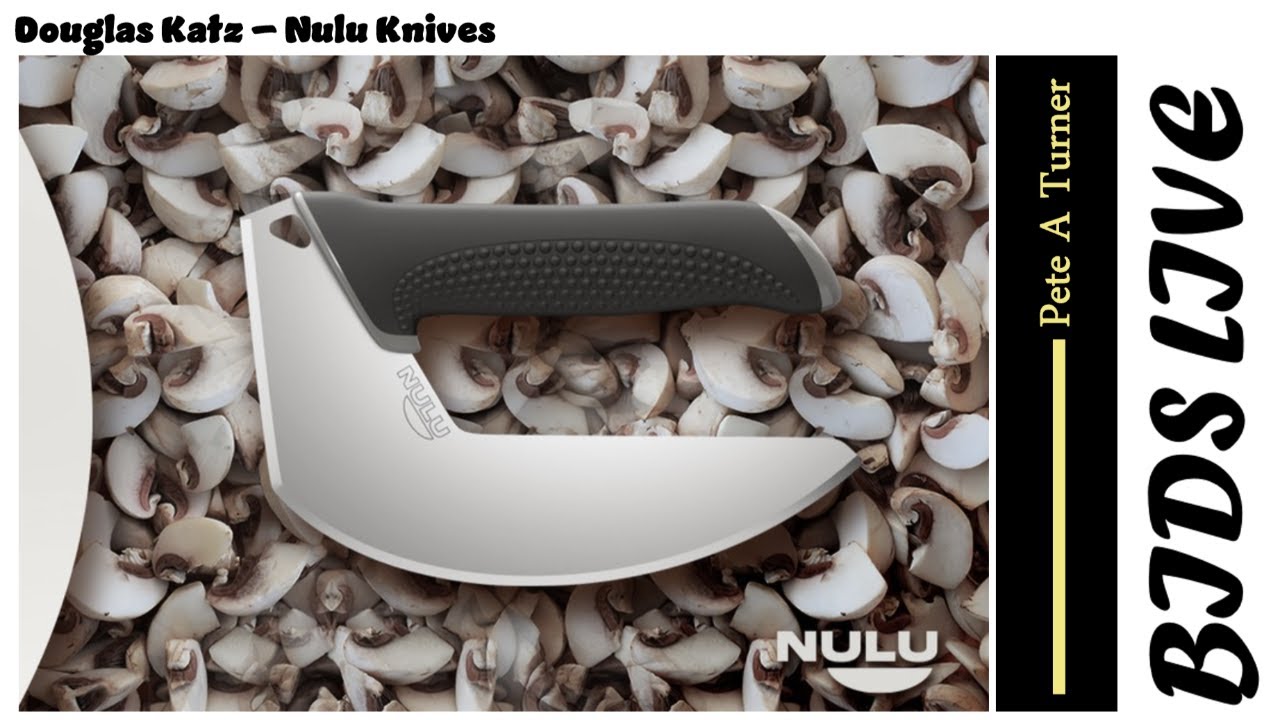
That insight became NULU — a circular-geometry kitchen knife redesigned from the ground up for people who have lost grip strength, range of motion, or fine motor control. Not a modified version of a conventional knife. A fundamental rethinking of the tool's geometry to restore control, precision, and confidence — for people who are aging, recovering from injury, managing arthritis, or simply tired of fighting their tools. Same philosophy, different domain: Golfresco, a modular table system for golf carts and UTVs, exists because stable, usable workspace in the field is a problem nobody had bothered to solve with practical, durable design.
Over time, I realized the pattern wasn’t confined to the body. The same framework I had developed to understand physical limitation — task, context, variability, alignment — applied just as cleanly to cognitive wiring. What I had once viewed as volatility or inconsistency revealed itself as specialization interacting with the wrong structure. The issue was not defect. It was misalignment.
Both products run on the same thread: small changes, rooted in real mechanics, can create exceptionally large results — but only if you start from the right question.

A late ADHD diagnosis in my 40s didn't reveal a disorder. It revealed a mismatch. The same wiring that created friction in certain environments had been an asset in every high-stakes situation my life put me in — the Army, entrepreneurship, building something from nothing. I wasn't broken in those moments. I was in my terrain. The problem is rarely the person. It's the fit between the person, their leaders, and the system built to contain them.
That's the idea behind my two frameworks — The Children of Chaos and The Ability Curve.
A few years prior, an aortic aneurysm and open heart surgery had already changed my life calculus. Surviving that kind of physical reality has a way of clarifying what matters — and what you're actually built for. It also closed the door on medication as an option for managing ADHD, which meant understanding the wiring as built or not at all. Regardless, it was a watershed for the wisdom that I hope to pay forward.
Children of Chaos is a framework for understanding and leading high-variance thinkers. We are a tribe — not a deficient portion of the population. My experience wasn't one of consistent failure. It was success under the right conditions and strain under the wrong ones — wrong roles, wrong environments, wrong expectations. The wiring wasn't the problem. The placement was.
The Ability Curve extends that thinking beyond cognition. Performance isn't a fixed point — it's a range. Age, fatigue, injury, stress, and cognitive difference all shift where a person sits on that curve. Most workplaces, products, and processes are calibrated for peak performance under ideal conditions that almost nobody operates under most of the time. The Ability Curve reframes accommodation as design and inclusion as performance. Not optics. Outcomes.
.jpg)
The common thread across my military experience, physical limitation, invention work, and cognitive reframing is not disability. It is alignment. When capability and structure fit, performance expands. When they do not, even strong people appear limited. The lesson was never about overcoming weakness. It was about designing for reality.
We don't move fast and break things. We move smart and build things — things that restore independence, reduce strain, and create real value for people the market was never built for.
If you're here because you want to book a talk — you'll find everything you need in the navigation above. If you're here because NULU or Golfresco brought you — welcome to the rest of the story. And if something in this resonates: good. You're exactly who this work is for.





Appearances
Check out my appearances, interviews, and public talks that explore the intersections of ability, design, and human innovation. Through conversations that bridge science, empathy, and lived experience, I challenge traditional perceptions of disability and showcases how adaptive thinking drives better outcomes for everyone.
Each appearance reflects my mission to reframe ability as a shared human experience and to inspire a future where inclusive design and inventive thinking move hand in hand.


Testimonials and Reviews


